Shoppers today are a lot smarter than brands sometimes give them credit for. They compare prices before they even think about adding something to the cart, they scroll through reviews like detectives, and they’re always on the lookout for that extra bit of value. And in this hunt for savings, voucher codes have quietly become one of the strongest tools to win hearts online.
At GiveX India, we’ve seen something fascinating—how a single code, just a few characters long, can flip a browser into a buyer and, more importantly, into someone who comes back again and again. Because in today’s digital world, loyalty isn’t just about what you sell—it’s about how valued you make your customers feel.
A Shift in How Shoppers Think
Not too long ago, physical stores had their tricks—loyalty cards, stamps, or “buy 9 coffees, get the 10th free” schemes. They worked then. Online shoppers think differently. They expect rewards instantly, not after a long wait. They expect instant gratification.
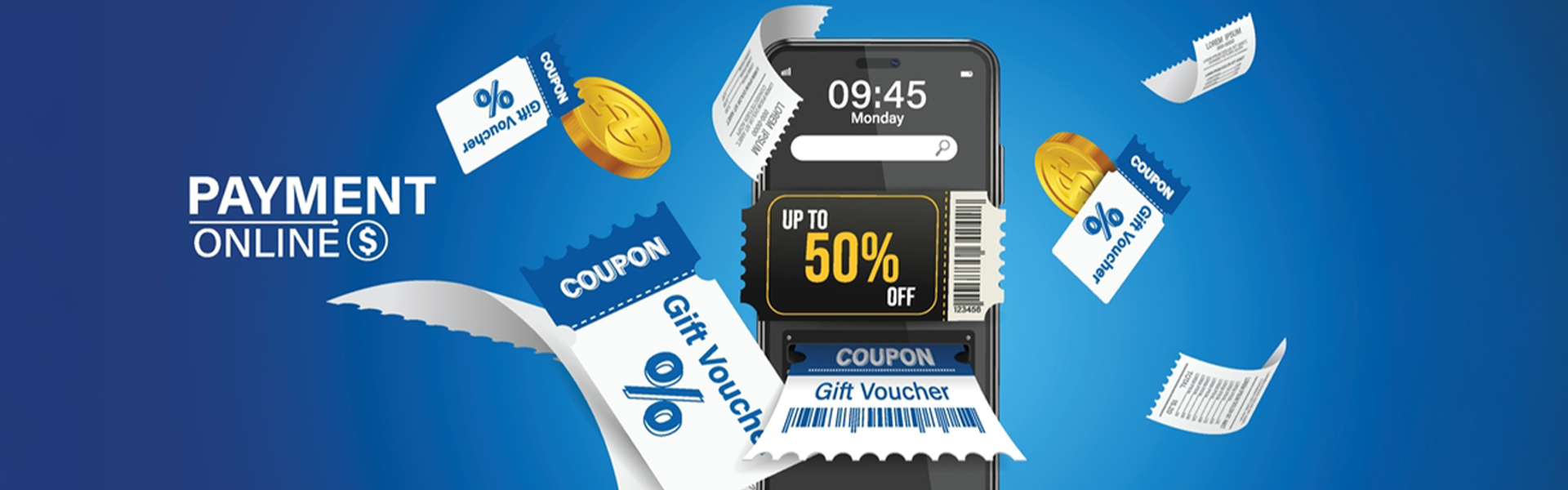
That’s where voucher codes have an edge. They offer savings right now, exactly when the customer is ready to click “buy.” The link between decision and reward is immediate, and that’s what makes them so powerful in today’s competitive market.
Why Discounts Go Beyond Price
Every brand chases loyalty, but loyalty doesn’t come from clever slogans or flashy ads. It comes from trust. When we roll out voucher codes at GiveX India, it isn’t just a discount—it's a way of saying: we see you, and we value you.
That simple gesture builds transparency. Customers know they won’t be left high and dry after their first order. Instead, they start believing that every purchase holds value, not just once in a while. That belief, more than the discount itself, is what keeps them coming back.
The Psychology of Small Wins
There’s a little thrill when you type in a voucher code at checkout and see the price drop. It’s more than just saving money—it’s the feeling of winning. Psychologists call it the reward loop, but to customers, it’s just that rush of happiness that lingers even after the package arrives.
Think of it like the online equivalent of a friendly shopkeeper who remembers your name. It’s small, but it sticks. And people naturally return to places where they feel good.
Free Coupons, Tailored Deals, and Why They Matter
Here’s something we’ve noticed time and again: free coupons feel different. They feel personal, like a gift. Pair that with targeted coupon deals
It’s not just about shaving off a few rupees. It’s about showing that you understand your customer’s preferences. A generic ad might talk to everyone, but a tailored internet coupon whispers, “this is for you.” That whisper builds far more loyalty than any billboard ever could.
The Quiet Influence of Coupon Websites
Another shift we’ve seen? Shoppers rarely stumble into discounts anymore. They actively hunt them down. Coupon websites are now an essential stop in the buying journey.
By making sure our codes are live and visible on these platforms, GiveX India reaches people who are already seconds away from making a purchase. The discount becomes the nudge, and that first nudge often turns into a long-term relationship.
Finding the Right Balance
Now, let’s be real—loyalty can’t survive on discounts alone. You can’t just keep slashing prices forever. What voucher codes do is open the door. Once customers experience the quality of your product and the smoothness of your service, that’s what keeps them inside.
At GiveX India, we see codes as introductions, not crutches. They’re the handshake, the first conversation, the invitation to experience more. What keeps them coming back is the real value in the experience itself.
Closing Thoughts
The online marketplace is crowded, loud, and fiercely competitive. But beneath all that noise, loyalty is still possible. What matters is how genuine the value feels. Voucher codes may look like a small marketing trick on the surface, but their impact runs deep.
They make customers feel recognized, rewarded, and understood. And in a world where buyers are constantly bombarded with choices, that feeling of being valued is what tips the scales.
For us at GiveX India, these codes aren’t just about discounts. They’re about trust, consistency, and creating small wins that add up to lasting loyalty. And as long as people continue shopping online, one thing will remain true—nothing beats the pull of a well-timed, well-placed deal.
FAQs
1. How do voucher codes improve customer loyalty?
Voucher codes create immediate value at checkout, which encourages repeat purchases. Customers associate the savings with the brand’s care, leading them to return for future shopping. Over time, this consistency builds strong customer loyalty.
2. Why are coupon websites important for digital loyalty?
Coupon websites make voucher codes more accessible to shoppers who are actively looking for deals. Featuring codes on these sites ensures visibility at the right time, helping brands convert deal seekers into loyal repeat customers.
3. Do free coupons and coupon deals attract long-term buyers?
Yes, when used wisely. Free coupons and personalized coupon deals create emotional connections by offering value that feels tailored. Customers are more likely to stay loyal to brands that reward them consistently and recognize their preferences.
4. Can voucher codes hurt profitability for businesses?
Not if balanced strategically. Voucher codes act as entry points to build trust and loyalty. Once customers experience the product or service quality, they return for more, even beyond discounts. This approach helps sustain both loyalty and profitability.